

viejo
old
Reviewed by: David WestfallCofounder
Old in age or in use
Encoding Strategies:
linguistic
visual

veteran
former soldier
+
-o
adjective suffix
Viejo means old and is related to the English word veteran0, like an old person who fought in a war.
viejo

old, elderly (of a living thing)
Advanced in age, said of a person or animal.
Mi abuelo ya está muy viejo para subir escalerasMy grandfather is already too old to climb stairs
El perro está viejo y duerme casi todo el díaThe dog is elderly and sleeps almost all day
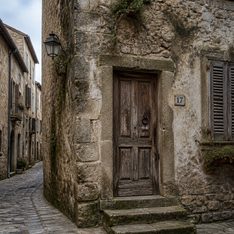
old, long-standing (of a thing)
Something that has existed for a long time.
Vivimos en una casa muy vieja del centroWe live in a very old house downtown
Es una antigua costumbre de mi familiaIt's a long-standing custom in my family
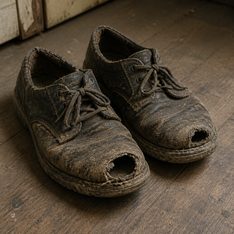
worn-out, secondhand (from use)
Worn down or shabby from use, or simply not new.
Estos zapatos viejos ya no sirvenThese worn-out shoes are no good anymore
Compré un coche viejo pero baratoI bought a secondhand car, but it was cheap

old man, old woman
An elderly person. The adjective stands on its own as a noun, so "old" becomes "the old one."
Un viejo tocaba la guitarra en la plazaAn old man was playing guitar in the square
Una vieja vendía flores en la esquinaAn old woman was selling flowers on the corner

dad, mom (colloquial)
An affectionate name for a parent, the way English says "my old man." In the plural it means "your parents."
Mi viejo trabajó treinta años en la fábricaMy dad worked thirty years at the factory
Voy a llamar a mi vieja el domingoI'm going to call my mom on Sunday

buddy, man (address, colloquial)
A friendly way to address someone you're on close terms with. English does the same thing with "old friend" or "old boy," where "old" points at how long you've known each other rather than the person's age.
¿Qué tal, viejo? Hace mucho que no te veoHow's it going, buddy? I haven't seen you in ages
Tranquilo, viejo, todo va a salir bienRelax, man, everything is going to work out