

Most language apps tell you what to learn. We're more interested in how you learn it.
When we started learning Spanish, we were struck by the sheer number of words you need to know. It takes a lot, even for basic greetings or a short conversation.
Language apps usually teach through sheer repetition with drills and games. But from our past experiences in medical school, there's a more efficient way to learn massive amounts of information. The key is to tie each new word to something familiar, so your brain has a way to grab onto the information.
At first, we just did this for our own studies: comparing words to each other, tracing words back to their origins, scribbling notes. But the more we dug in, the more we noticed that Spanish isn’t as arbitrary as it seems. Once you understood why a word meant what it meant, the meaning didn’t just stick; it felt obvious. And it didn’t stop there. Words built on top of each other, sharing roots and prefixes, so that learning one word quietly unlocked several others. The words started to feel less like a list to memorize and more like a system to understand.
And what floored us was how consistently this held up. Word after word, the same logic kept appearing. A few people seemed to have caught onto this - you'd find books doing something similar, the occasional Reddit thread - but nobody had really formalized it or built a way to teach with it. It felt like a secret hiding in plain sight. So we decided to formalize our methodology, and build the thing we wish existed when we first started learning. It’s a method based on our own experiences and the thousands of flashcards we made ourselves.
Our Founders

David Westfall, MD
David has spent his career thinking about how people actually learn. He cofounded Pixorize, a medical education company built around memory techniques. When he started learning Spanish, he realized the same principles applied — and that no one had built the tools for it yet.
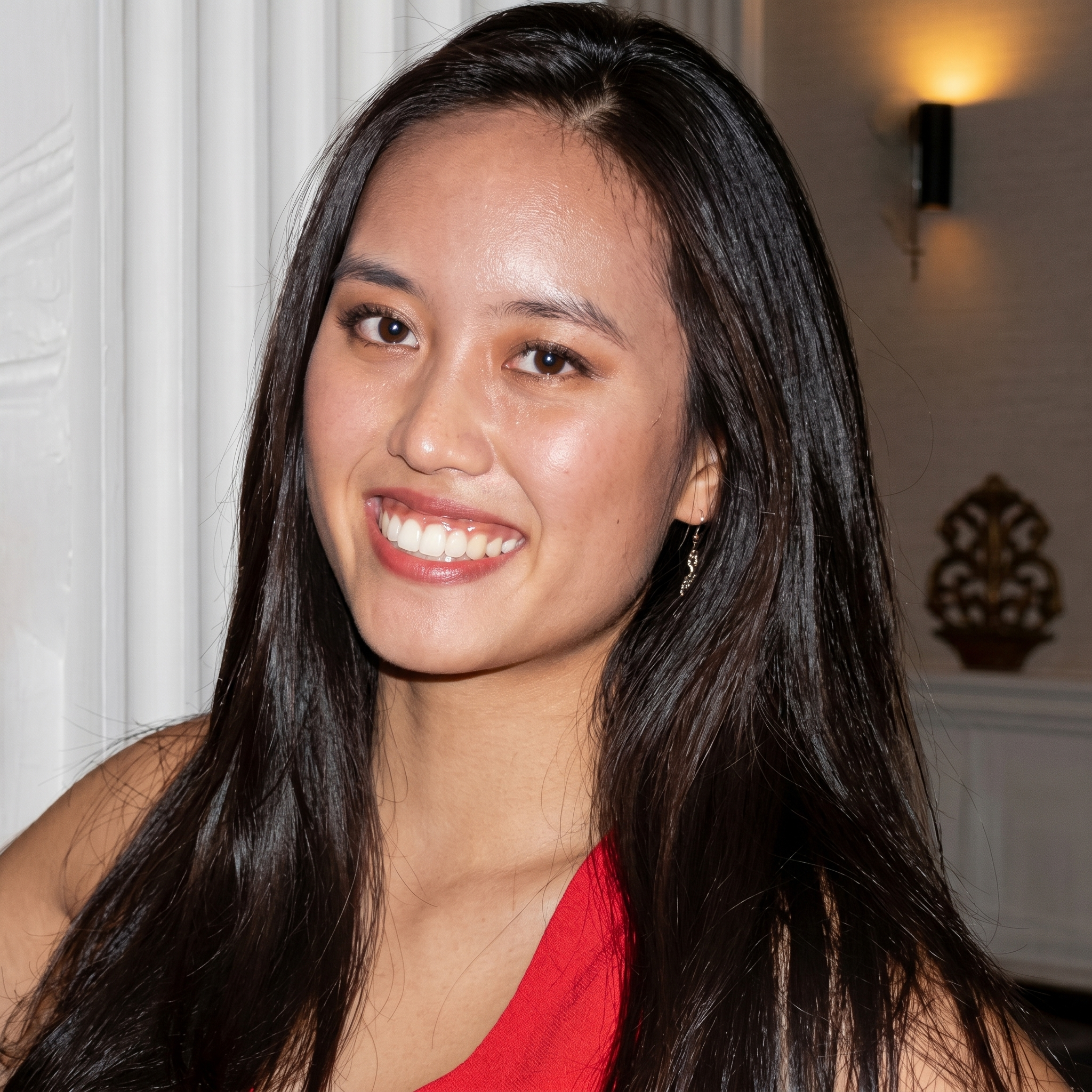
Jennifer Jin
Jennifer has a background in finance and a love for consumer products. She keeps the product sharp and approachable — if something feels too academic or too complicated, she's usually the first to flag it. She's the one who makes sure the product feels like something you'd actually want to open every day.
Our Language Contributors
Our contributors are native speakers who work with us to refine dictionary entries, verify translations, and write original content. They help us make sure that the Spanish we teach is accurate and reflects how the language is actually used. You'll see their names next to the content they've worked on throughout the site.
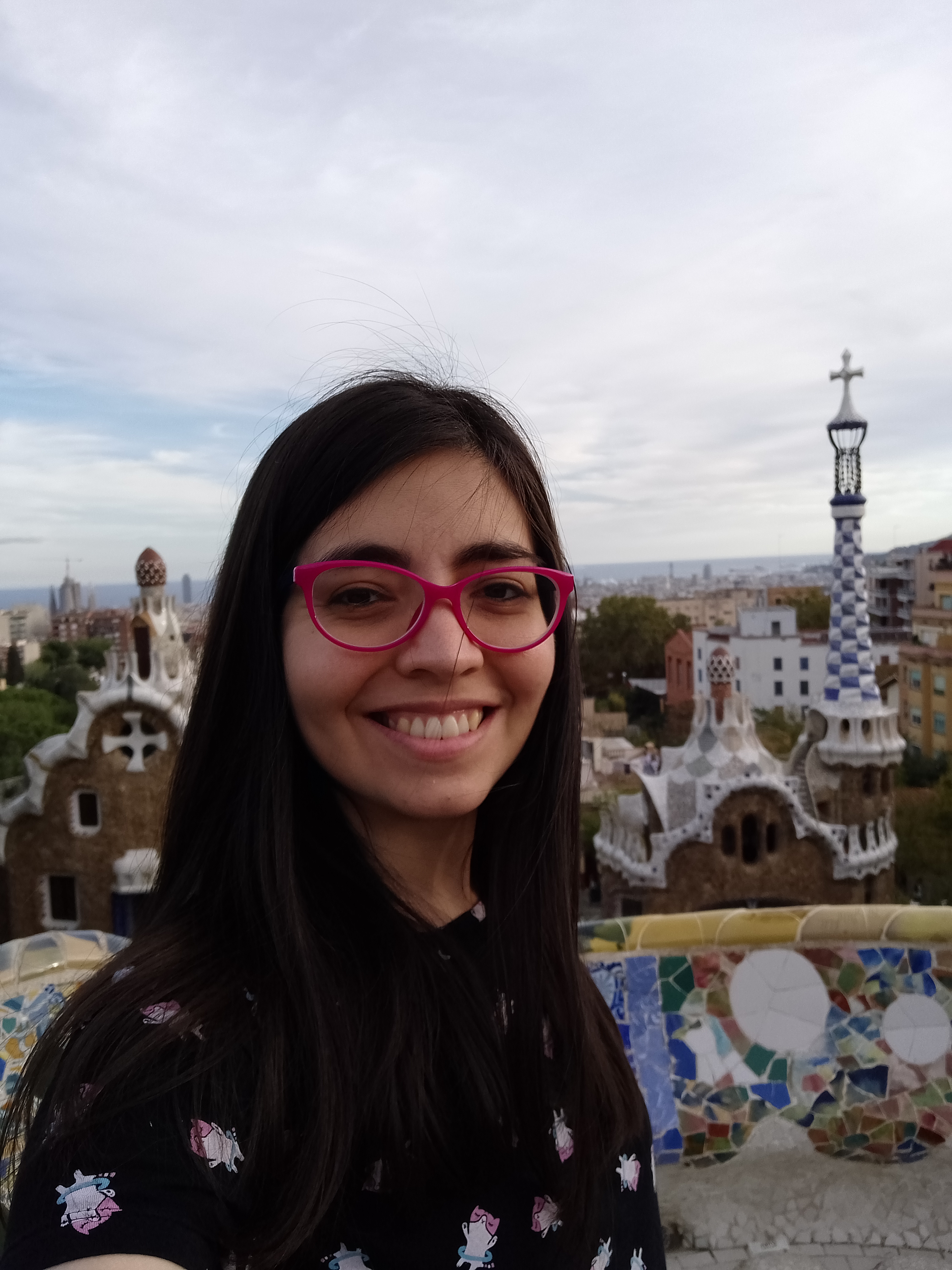
María Virginia Bruzzo
Native Speaker, Argentina
María is a linguist and Spanish teacher from Argentina. She has a Master's in Teaching Spanish as a Foreign Language, and is about to obtain her PhD in Linguistics.

Daniel Leal Sánchez
Native Speaker, Venezuela
Daniel is a Spanish teacher from Venezuela, and holds a Bachelor’s in Foreign Languages with a specialization in Education.
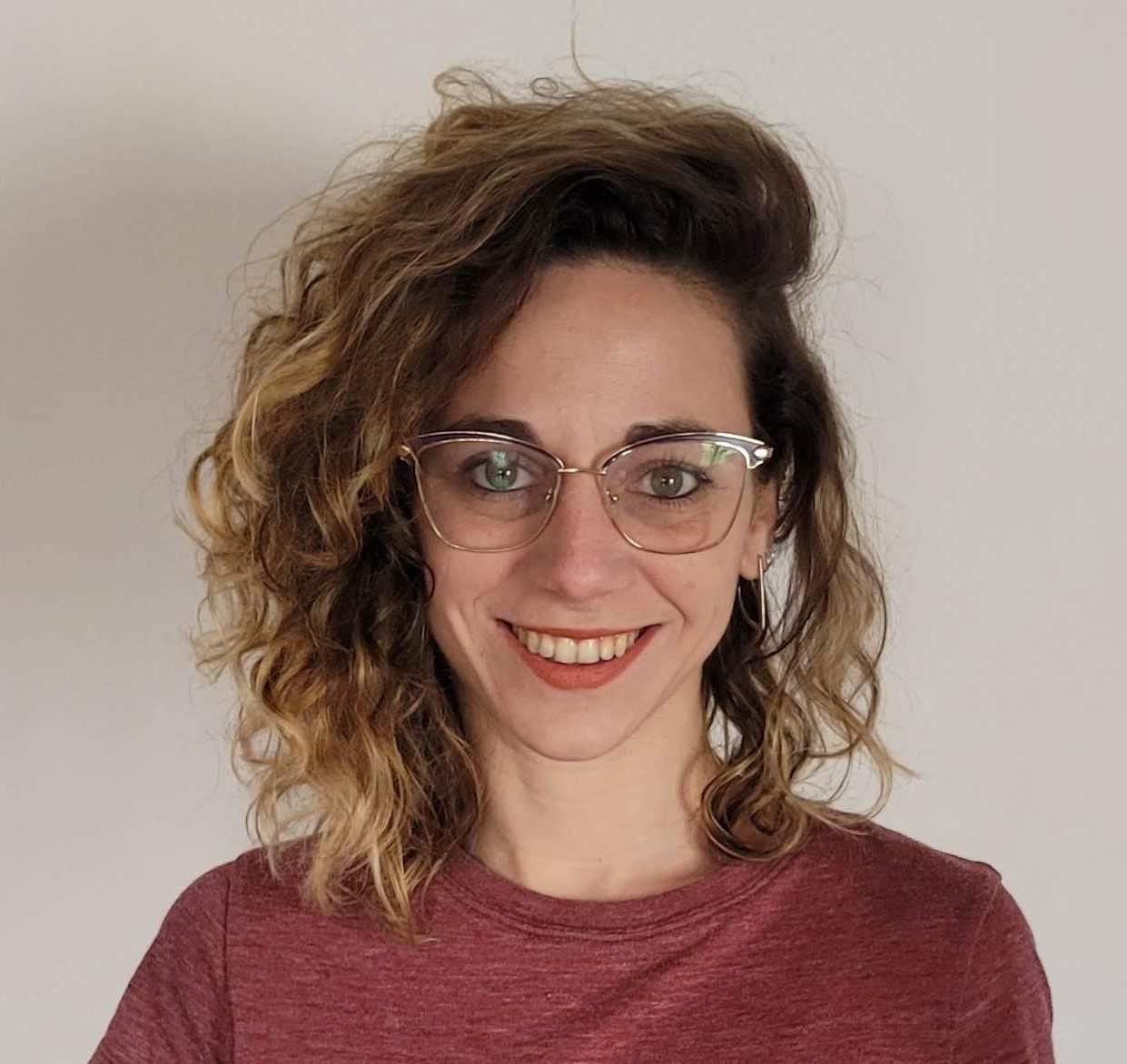
Tamara Mathov
Native Speaker, Spain
Tamara is a Spanish teacher based in Spain with over 15 years of experience. She holds a Bachelor’s in Linguistics, a Master's in Philosophy and Language, and is a SIELE certified instructor.