

To die, literally or figuratively
Encoding Strategies:
linguistic
mortal
someone who must die
+
-ir
verb suffix
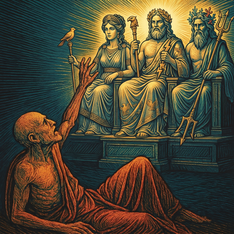
Morir means to die and is related to the English word mortal0, which is someone who must eventually die.
morir
to die
To reach the end of life.
Su abuelo murió el año pasado a los noventa añosHis grandfather died last year at ninety
Muchos soldados murieron en la batallaMany soldiers died in the battle
to die, to die out (figurative)
Just like in English, things that come to an end die.
Mi celular murió justo cuando iba a llamarteMy phone died right when I was about to call you
El fuego murió lentamente durante la nocheThe fire died out slowly during the night
morirse
to die
The reflexive se emphasizes that the thing died on its own, often suddenly or that it just happened. Often used with an indirect object to emphasize personal involvement.
Se me murió el perro la semana pasadaMy dog died last week
La planta se murió mientras estábamos de vacacionesThe plant died while we were on vacation
to be dying of (with de)
When you're dying of or from something, the reflexive se marks personal involvement.
Me muero de hambre, ¿cuándo comemos?I'm dying of hunger — when do we eat?
Me estoy muriendo de frío, cierra la ventanaI'm dying of cold, close the window
to be dying to, to be crazy about (with por)
When you're dying for something, the reflexive se marks personal involvement.
Me muero por conocer a tu noviaI'm dying to meet your girlfriend
Mi hija se muere por el chocolateMy daughter is crazy about chocolate