
Showing results for cabo
See entry for:
- caber

The end or tip of something, including a point of land that sticks out into the sea
Encoding Strategies:
linguistic
visual
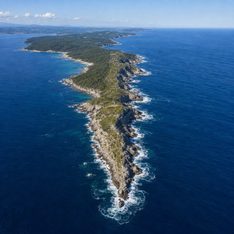
cape
land sticking into sea
+
-o
noun suffix
Cabo means cape or end, and is related to the English word cape0, the end of a stretch of land that sticks out into the sea.
cabo
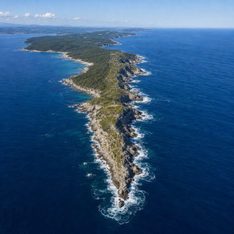
cape (geography)
A point of land that sticks out into the sea.
Desde el faro se ve todo el caboFrom the lighthouse you can see the whole cape
Navegamos alrededor del cabo al amanecerWe sailed around the cape at dawn

end, tip
The end or tip of something long, like a string or a rope.
Ata los dos cabos de la cuerdaTie the two ends of the rope
Sujeta el cabo del hilo con los dedosHold the tip of the thread with your fingers

stub, end (leftover piece)
The small piece left at the end once the rest is used up, like what's left of a candle.
Solo me queda un cabo de velaI only have a candle stub left
Tiró el cabo del cigarro al sueloHe threw the cigarette end on the ground
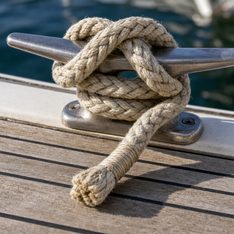
rope, line (nautical)
A rope on a boat. Sailors grab it by the end to throw it or tie it.
El marinero lanzó un cabo al muelleThe sailor threw a rope to the dock
Amarra bien el cabo antes de bajarTie the line securely before getting off
al cabo de
after
Literally "at the end of," used with a period of time to show that something happens once that time has passed. Like "at the end of two hours, the bus will arrive."
Al cabo de una hora, llegó el autobúsAfter an hour, the bus arrived
Volvió al cabo de tres semanasShe came back after three weeks
llevar a cabo
to carry out, to conduct
When you carry out a task or plan, literally "to carry it to the end."
La empresa llevó a cabo un estudio de mercadoThe company carried out a market study
Los médicos llevarán a cabo varias pruebasThe doctors will conduct several tests
al fin y al cabo
after all, at the end of the day
Literally "at the finish and at the end," used to state what's true once everything is said and done.
No te enojes con él, al fin y al cabo es tu hermanoDon't get mad at him, after all he's your brother
Al fin y al cabo, lo importante es que estamos bienAt the end of the day, what matters is that we're okay
cabo suelto
loose end
A detail that hasn't been resolved yet, a literal "loose end."
Quedan algunos cabos sueltos en el contratoThere are still some loose ends in the contract
El detective no quería dejar ningún cabo sueltoThe detective didn't want to leave any loose ends
atar cabos
to put two and two together, to connect the dots
When you connect clues to figure something out. Literally, you tie the loose ends together.
Até cabos y entendí quién había sidoI put two and two together and figured out who it was
Cuando vi su cara, empecé a atar cabosWhen I saw his face, I started to connect the dots
de cabo a rabo
from start to finish, from cover to cover
Literally "from end to tail," meaning you cover the whole thing and don't skip over anything.
Revisé el informe de cabo a raboI checked the report from start to finish
Leí la novela de cabo a rabo en un fin de semanaI read the novel from cover to cover in one weekend

cabo
corporal
A low military rank, just above a private
Encoding Strategies:
linguistic
mnemonic
visual

Cabo means corporal and is like cabeza0 without the -eza, since a corporal is the head of a small squad of soldiers.
cabo
corporal (military)
A military rank just above a private, in charge of a small group of soldiers.
El cabo dio la orden a sus soldadosThe corporal gave the order to his soldiers
Mi abuelo llegó a cabo en el ejércitoMy grandfather made corporal in the army