

tiempo
time
Time, in all its senses, whether a duration, moment, occasion
Encoding Strategies:
linguistic
temporal
relating to time
+
-o
noun suffix
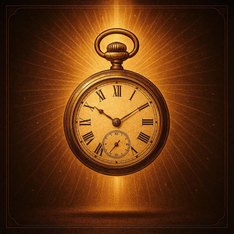
Tiempo means time and is related to the English word temporal0, which means relating to time0.
tiempo
time
Time in general.
No tengo tiempo para esoI don't have time for that
Necesito más tiempoI need more time
time, times, day, days, age (era / period)
A particular stretch of history or someone's life, the same way English says "in my day" or "in the time of Caesar."
En tiempos de la conquistaIn the time of the conquest
En aquellos tiemposIn those days
half, period (sports)
A timed division of a game, just like a musical tempo divides a piece into beats.
Marcó un gol en el segundo tiempoHe scored a goal in the second half
El primer tiempo terminó sin golesThe first half ended without goals
tempo, beat (music)
In music, tempo is literally the "time" of a piece, or how fast or slow the beat moves.
El pianista perdió el tiempoThe pianist lost the beat
La orquesta llevaba un tiempo muy lentoThe orchestra kept a very slow tempo
tense (grammar)
In grammar, a tense is literally a "time" since it places an action in the past, present, or future.
El tiempo presenteThe present tense
¿En qué tiempo está ese verbo?What tense is that verb in?

tiempo
weather
The state of the atmosphere
Encoding Strategies:
linguistic
mnemonic

tempest
violent storm
+
-o
noun suffix
Tiempo also means weather and is directly related to the English word tempest0. A tempest is the tiempo-est tiempo possible: a violent storm0.
tiempo
weather
The general atmospheric conditions, such as rain, sun, wind, or temperature.
¿Qué tiempo hace hoy?What's the weather like today?
El tiempo está muy nubladoThe weather is very cloudy
Hace buen tiempoThe weather is nice