

To have, hold, or possess something
Encoding Strategies:
repetition
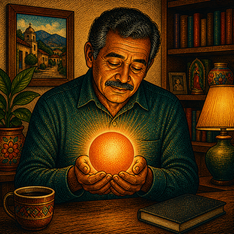
Tener means to have, and nearly all of its uses connect back to the core idea of holding or possessing something.
tener
to have, to own (possession)
To have or own something.
Tengo tres cochesI have three cars
Tiene los ojos verdesShe has green eyes
to be (age)
In Spanish, you possess your age by 'having' years rather than 'being' an age like in English.
Mi hermana tiene 33 añosMy sister is 33 years old (my sister has 33 years)
¿Cuántos años tienes?How old are you? (how many years do you have?)
to be, to feel (sensations)
In Spanish, you 'have' sensations rather than 'being' them, like saying you "have a feeling" in English.
Si tienes frío, ponte un abrigoIf you are cold, put on a coat (if you have cold)
Tengo hambreI am hungry (I have hunger)
to be, to measure (measurements)
An object possesses or 'has' its own dimensions.
Esta maleta tiene 20 centímetros de anchoThis suitcase is 20 centimeters wide (this suitcase has 20 cm of width)
El río tiene 300 kilómetros de longitudThe river is 300 kilometers long (the river has 300 km of length)
to have, to hold (events)
To have or hold a scheduled event, similar to how English says "to hold a meeting."
El lunes tengo una cita con el dentistaI have a dentist appointment on Monday
Mañana tenemos junta en la tardeWe have a meeting tomorrow afternoon
to hold, to take (physical grasp)
To physically have or hold something in your hands.
Ten la bandejaHold the tray
Ten tu bolsaTake your bag
tener que
to have to, must (obligation)
When you 'have to' do something, you have an obligation.
Tengo que terminar mis deberes antes de salirI have to finish my homework before leaving
Tienes que comer todo en tu plato si quieres postreYou must eat everything on your plate if you want dessert (you have to eat everything)
tenerse
to stand, to hold oneself up (upright)
To 'hold' yourself up, by standing or remaining upright.
Estaba tan mareado que no me tenía de pieI was so dizzy I couldn't stand up (I couldn't hold myself up)
Apenas me tenía de pie después de correr tantoI could barely stand after running so much (I could barely hold myself up)